When Is Tree Removal Safer Than Trimming? A Destin Homeowner’s Guide
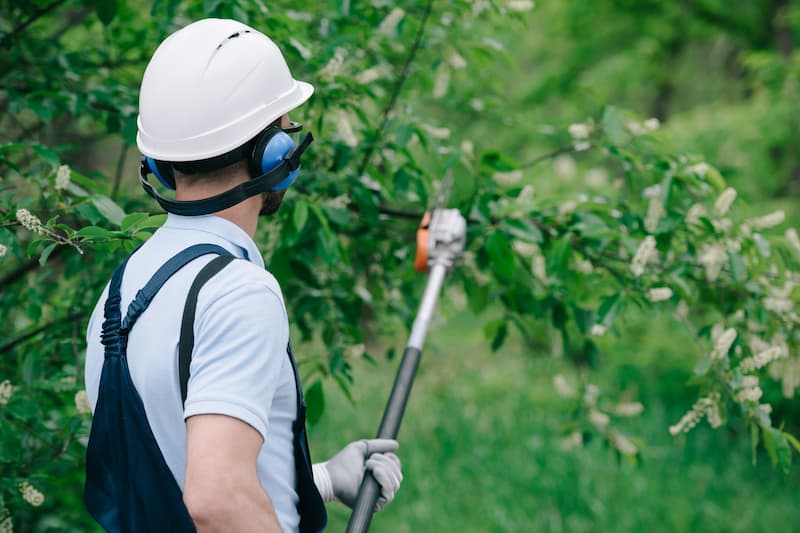
If you’re weighing tree trimming vs removal on your Destin, FL property, safety should lead the decision. This guide explains when trimming can’t solve the problem and why timely tree services keep your family and home protected near Crystal Beach, Holiday Isle, Kelly Plantation, and beyond.
Along the Emerald Coast, strong summer storms and salt-laden winds push trees to their limits. That’s why many homeowners search for tree removal Destin, FL during hurricane season and the months after. Below, you’ll learn the clear signs a tree has become a hazard, how professionals decide, and what a hazardous tree inspection covers.
What Makes Tree Removal Safer Than Trimming?
Trimming shapes and lightens a tree. Removal eliminates a risk. When structural damage, disease, or location put people and property in the “target zone,” removal is often the safer choice for Destin homes near busy streets, driveways, pools, or power lines.
- Severe lean with soil heaving, cracked roots, or a lifted root plate
- Large dead limbs over walkways, roofs, or play areas
- Advanced decay at the trunk base or major branch unions
- Storm splits or “cracks with daylight” through the trunk
- Trees growing into utility lines or crowding structures
Never ignore a tree that suddenly leans after heavy rain or wind. In our sandy coastal soils, saturated ground can let a compromised tree uproot with little warning.
Local Risks Destin Homeowners Should Watch
Destin’s climate brings salt spray, coastal gusts, and frequent downpours from June through November. Pines and oaks that seem fine in spring can develop hidden fractures after a late-summer squall. On narrow streets in Indian Bayou or along Gulf Shore Drive, even a single failed limb can block traffic or damage cars.
Keep an eye on palms with heavy fronds near roofs and screens. Repeated wind loading can loosen attachments. If you see fronds breaking high in the crown, trimming may not restore safe structure.
Tree Trimming Vs. Removal: How Pros Decide
Professionals weigh risk, tree health, and the “target.” If a major defect sits over your roof in Kelly Plantation, trimming may not reduce risk enough. Removal becomes the safer path.
Here’s what usually tips the scale toward removal:
1) Defect severity: Hollow trunk, deep decay, or a split that extends into the main stem. 2) Limited clearance: No safe way to prune without leaving dangerous weight above a target. 3) Species response: Some coastal species compartmentalize decay poorly, so damage spreads faster. 4) Site realities: Tight backyards, pools, and power lines can make safe pruning unrealistic.
When trimming is appropriate, it targets deadwood, corrects minor structural issues, and reduces sail area. If you’re unsure, ask our team to evaluate both options during a hazardous tree inspection.
Storm-Damaged Tree Signs After Gulf Weather
After a squall line or tropical system, walk your property from a safe distance and look for obvious red flags. Do not stand beneath broken or hanging limbs. If you spot any of the signs below, schedule a professional assessment.
If a branch is cracked over your roof, keep people clear and call a pro. The weight may shift without warning.
When Timing Matters In Destin, FL
Timing is about risk, not convenience. In neighborhoods like Emerald Bay or Crystal Beach, you want hazardous branches addressed before the next high-wind event. Waiting through peak storm months can turn a manageable issue into an emergency.
For palms and many ornamentals, strategic seasonal work supports health and appearance. For seriously damaged or leaning trees, the calendar doesn’t matter. Safety does.
What A Hazardous Tree Inspection Covers
A hazardous tree inspection looks beyond surface signs. Skilled evaluators combine visual clues with simple tools to understand what’s happening inside the tree and under the soil.
- Root zone and soil: heaving, fungal conks, cavities, or construction damage
- Trunk and unions: cracks, included bark, cankers, or areas that sound hollow
- Crown structure: dead tops, hanging branches, asymmetric loads from storm pruning
- Targets and exposure: roofs, play areas, pools, parking, and prevailing wind
Based on risk level, your inspector will recommend trimming to correct minor issues or removal to eliminate an unacceptable hazard. If removal is advised, ask how the crew will protect turf, pavers, and driveways during the process.
Why Professional Removal Protects Your Property
Tree removal on the coast often requires rigging, sectioning, and controlled lowering to avoid impacts. Crews plan drop zones, set friction devices, and stage mats to protect the yard. Bucket trucks and cranes may be used when access allows.
Avoid any work near power lines yourself. Only qualified professionals should coordinate with utilities for line clearance or service drops. Done right, removal reduces risk without trading one problem for another.
Common Scenarios Around Destin Neighborhoods
Holiday Isle canal lots: wind funnels between homes, increasing branch movement. Kelly Plantation greens and fairways: open exposure magnifies gusts that stress tall pines. Crystal Beach cottages: small lots leave little room for error above parking pads and porches.
In each case, trimming helps when defects are minor and targets are limited. Where failure could strike roofs, play sets, or pool cages, removal often becomes the safer call.
What Happens After Removal?
Once a hazardous tree is gone, a clean finish matters. Homeowners in Destin typically choose stump grinding to reclaim lawn space and prevent tripping hazards. Grinding also discourages pests that love decaying wood.
Replanting can restore shade and curb appeal. Choose wind-firm, site-appropriate species and plant away from structures and utilities. Your landscape design can add privacy and comfort without recreating past risks.
How To Choose The Right Team
Look for experience with coastal storms and tight-access removals. Ask about safety practices, turf and hardscape protection, cleanup, and whether a written plan explains how the crew will manage traffic and neighbors.
Do not hire door-to-door crews after a storm. Reputable companies provide clear scope and scheduling, and they carry proper insurance.
Your Next Safe Step
If you’re seeing storm-damaged tree signs or you’re stuck between tree trimming vs removal, start with a professional assessment. You can request an inspection and discuss options with our tree removal team so you understand risk and next steps before the next Gulf breeze turns strong.
For many homeowners, the best first click is the one that leads to help. You can learn more about our approach to pruning, takedowns, and safety planning by visiting tree services and asking for an on-site evaluation in Destin.
Ready To Protect Your Home In Destin, FL?
When a tree becomes a hazard, quick action prevents bigger problems. If you want a local expert who knows our sandy soils, salt air, and storm patterns, contact Zion Landscaping Services LLC at 850-612-2896 to book your visit.
If you prefer to start at the top, explore tree removal Destin, FL resources and services, then schedule a hazardous tree inspection that fits your calendar. From trimming to full removal, our goal is a safer, better-looking property you can enjoy in every season.
Increase Your Home’s ValueWith Our Landscaping & Lawn Care Services In Destin & Surrounding Areas!